Vegetable garden at IPSSEOA Carmine Russo – Ugo Tognazzi
ITALY
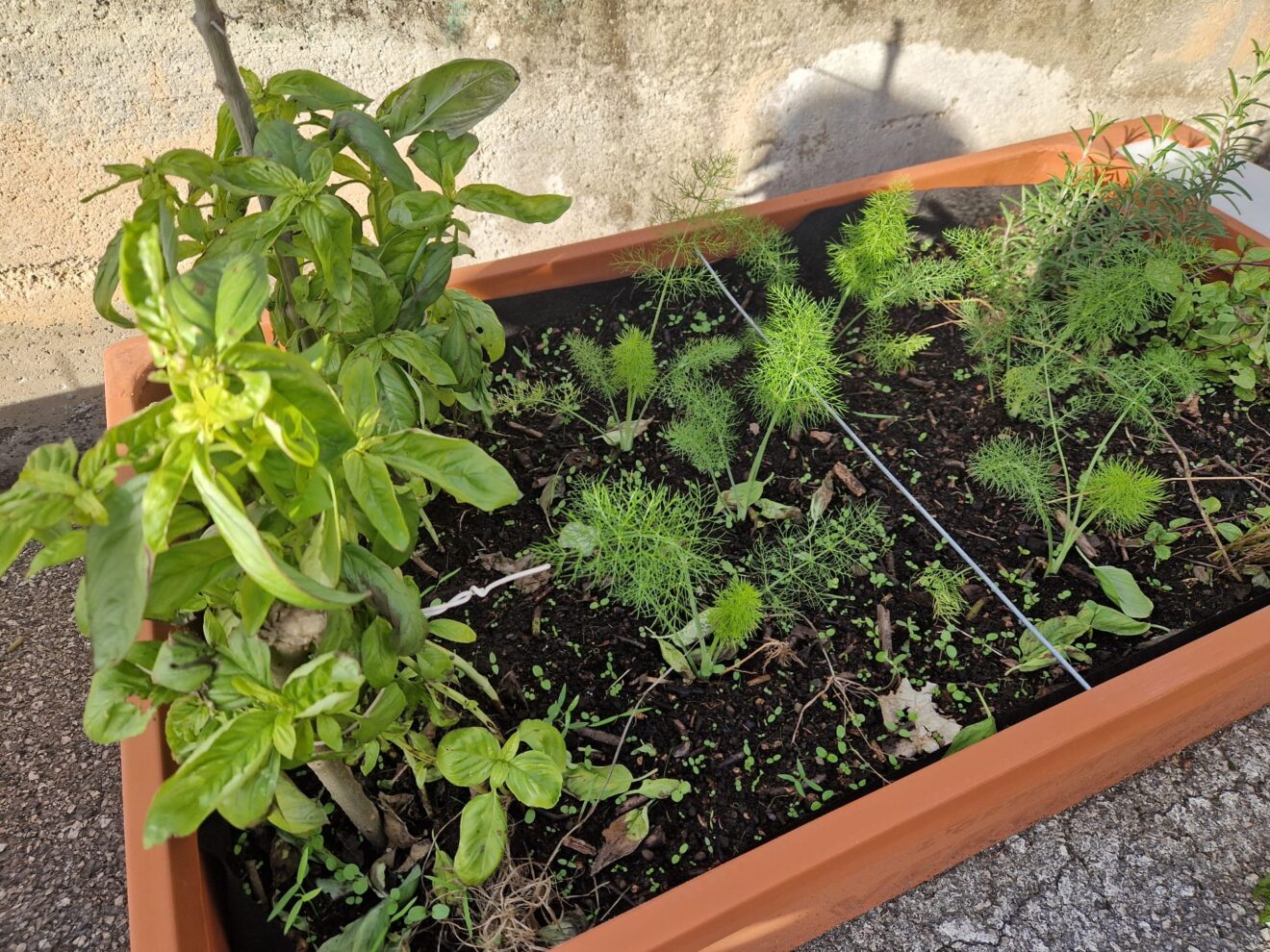
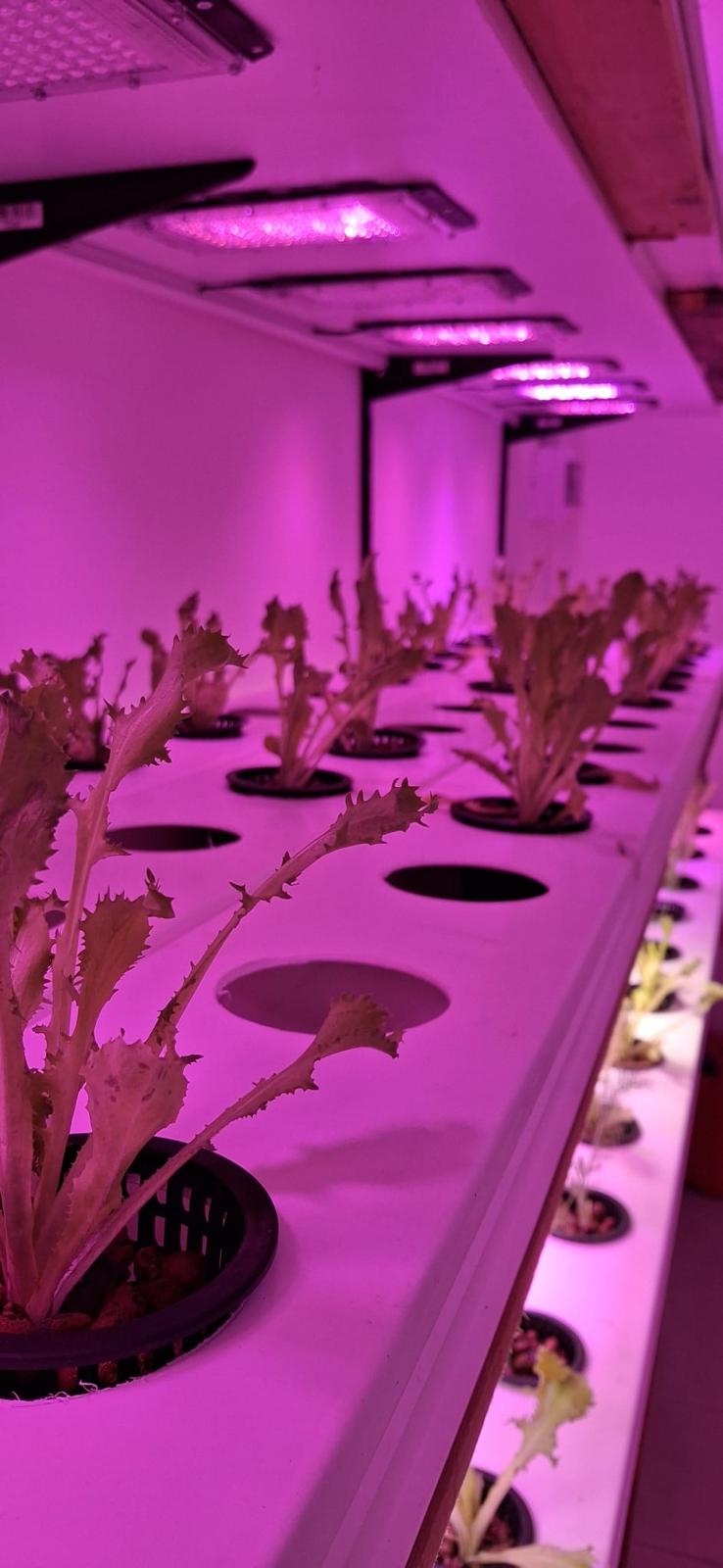
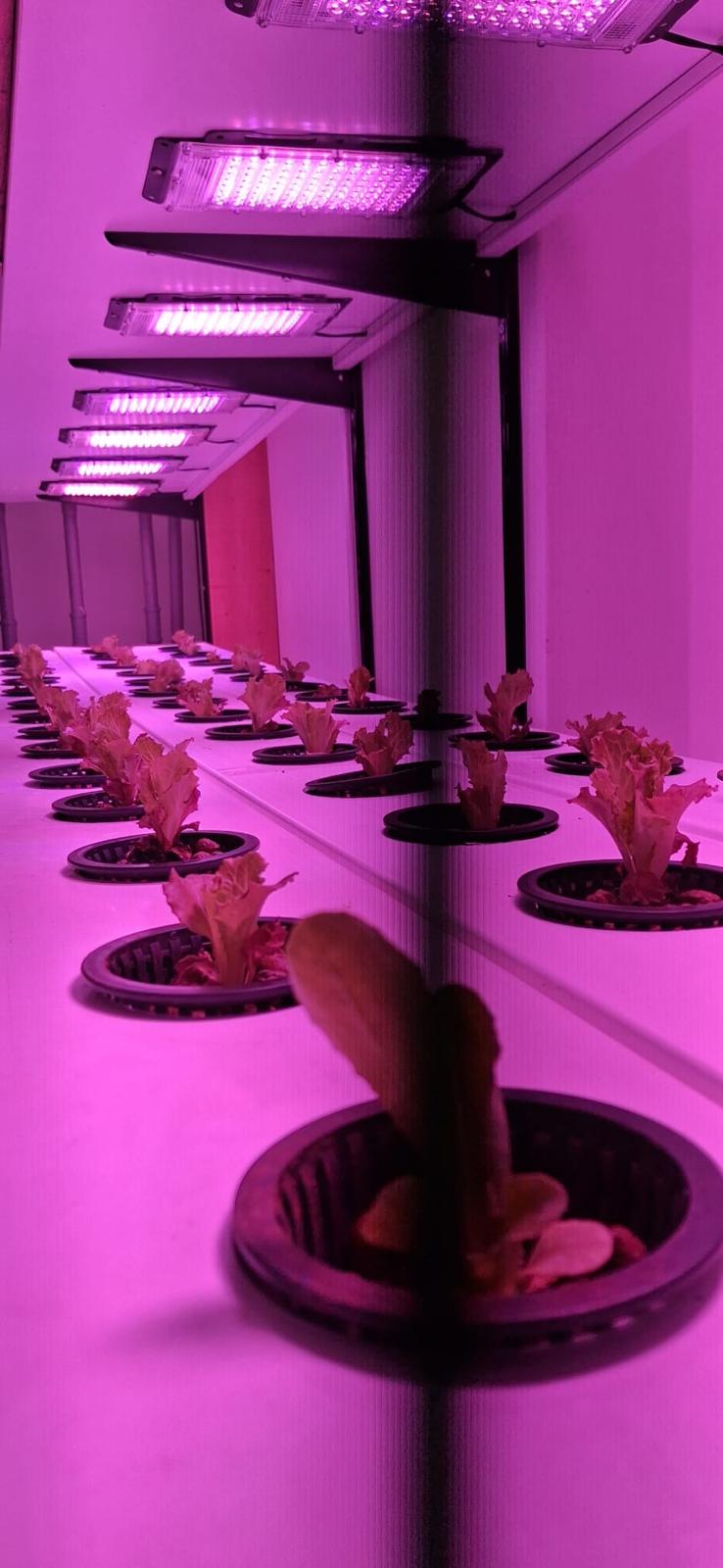
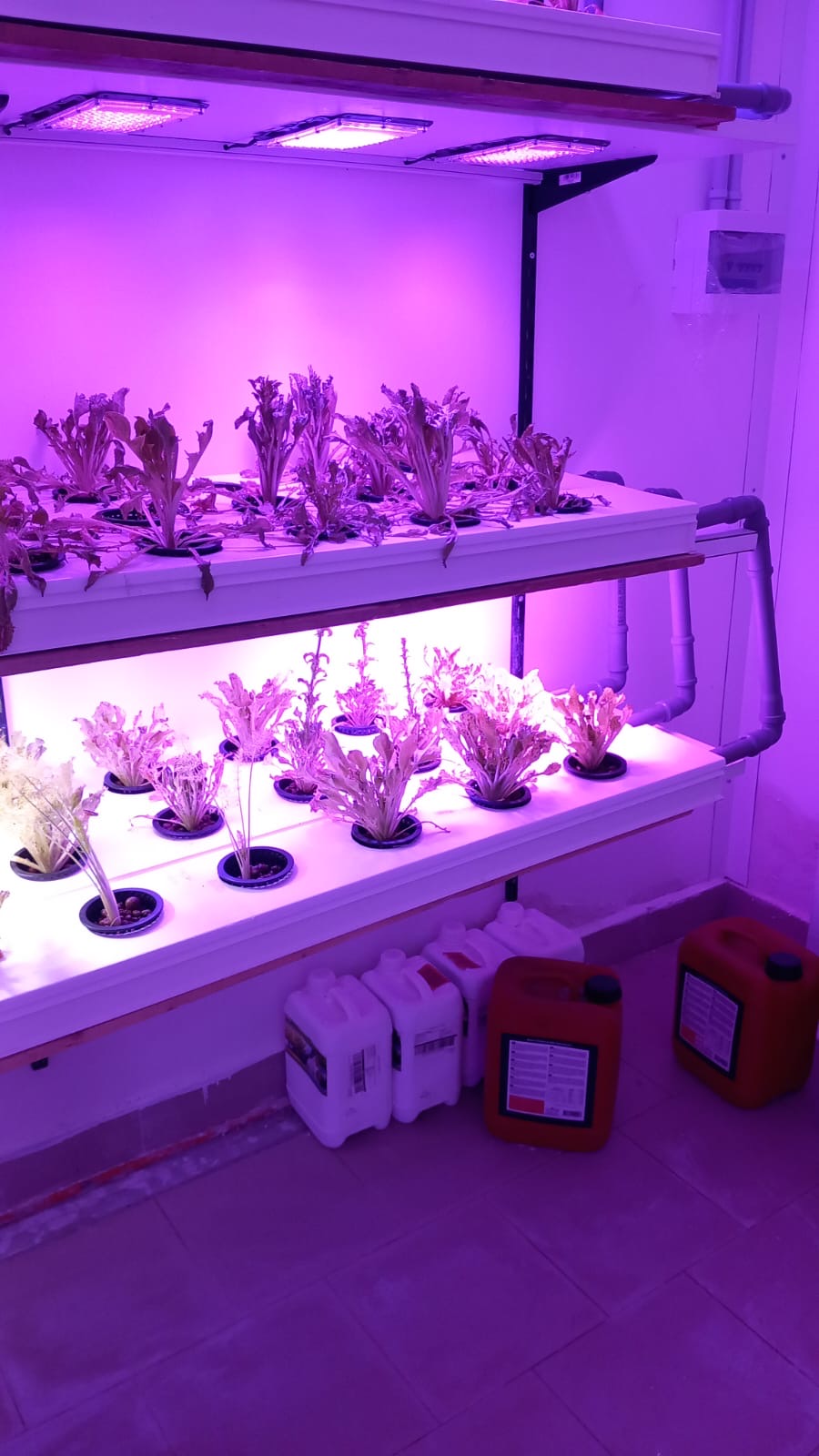
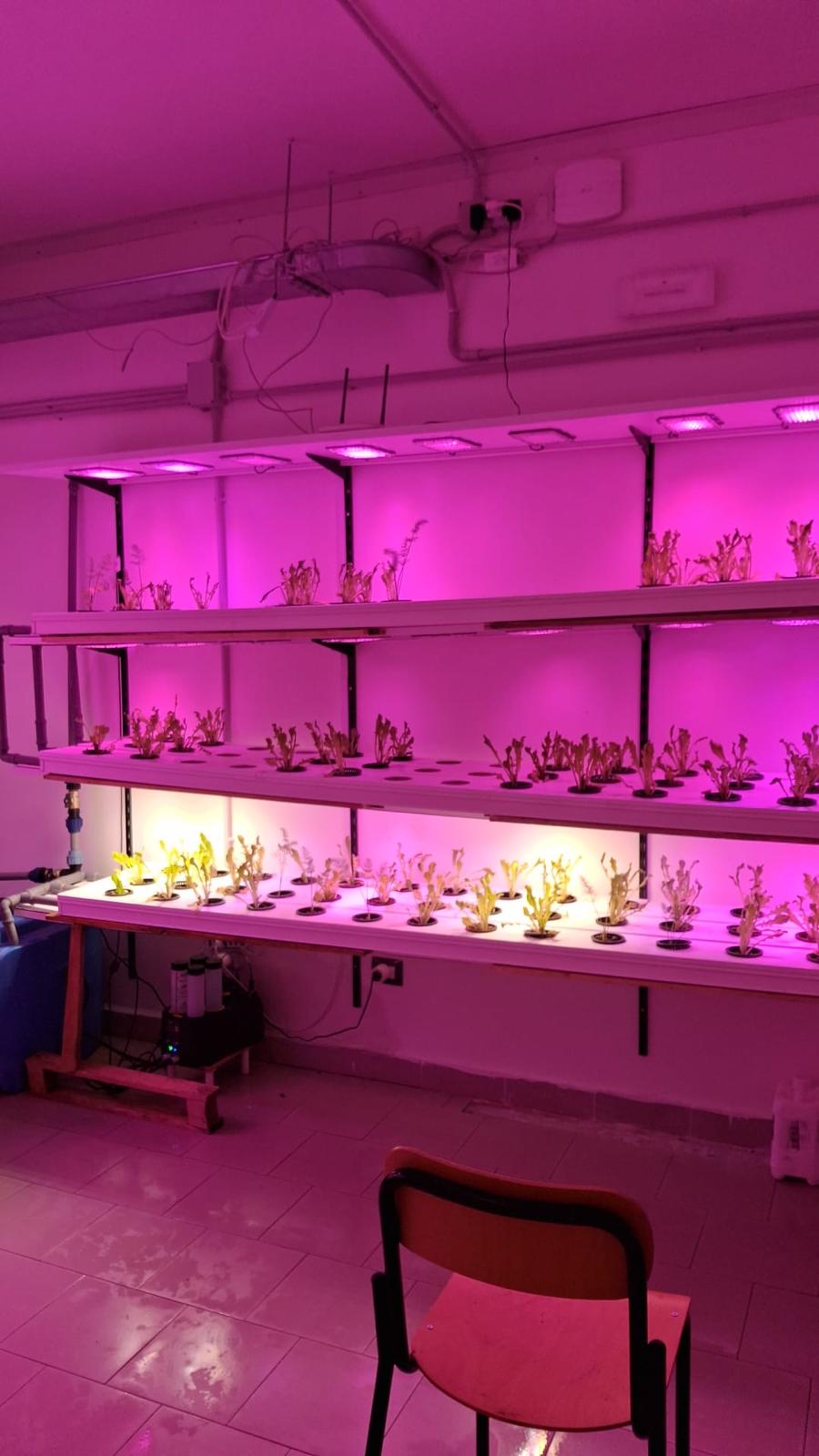
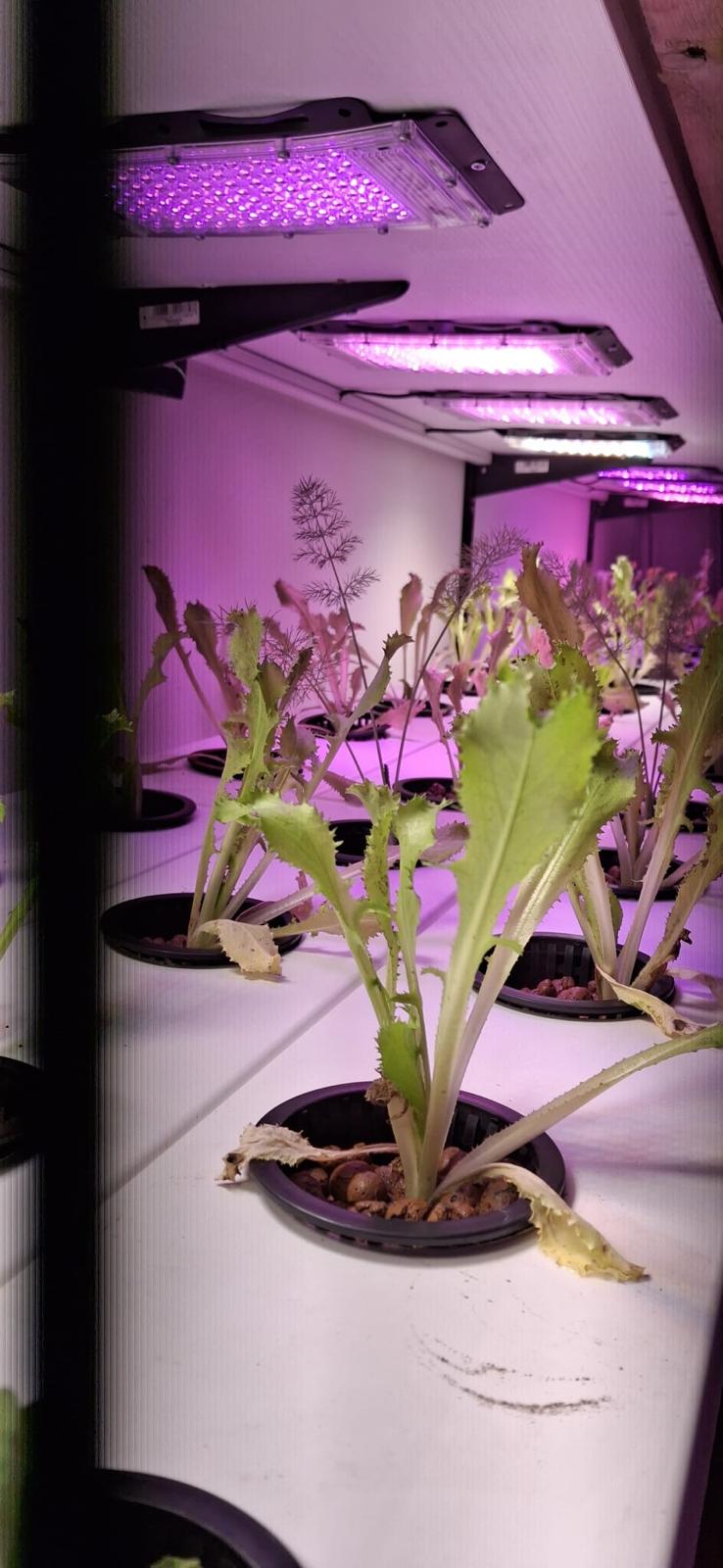
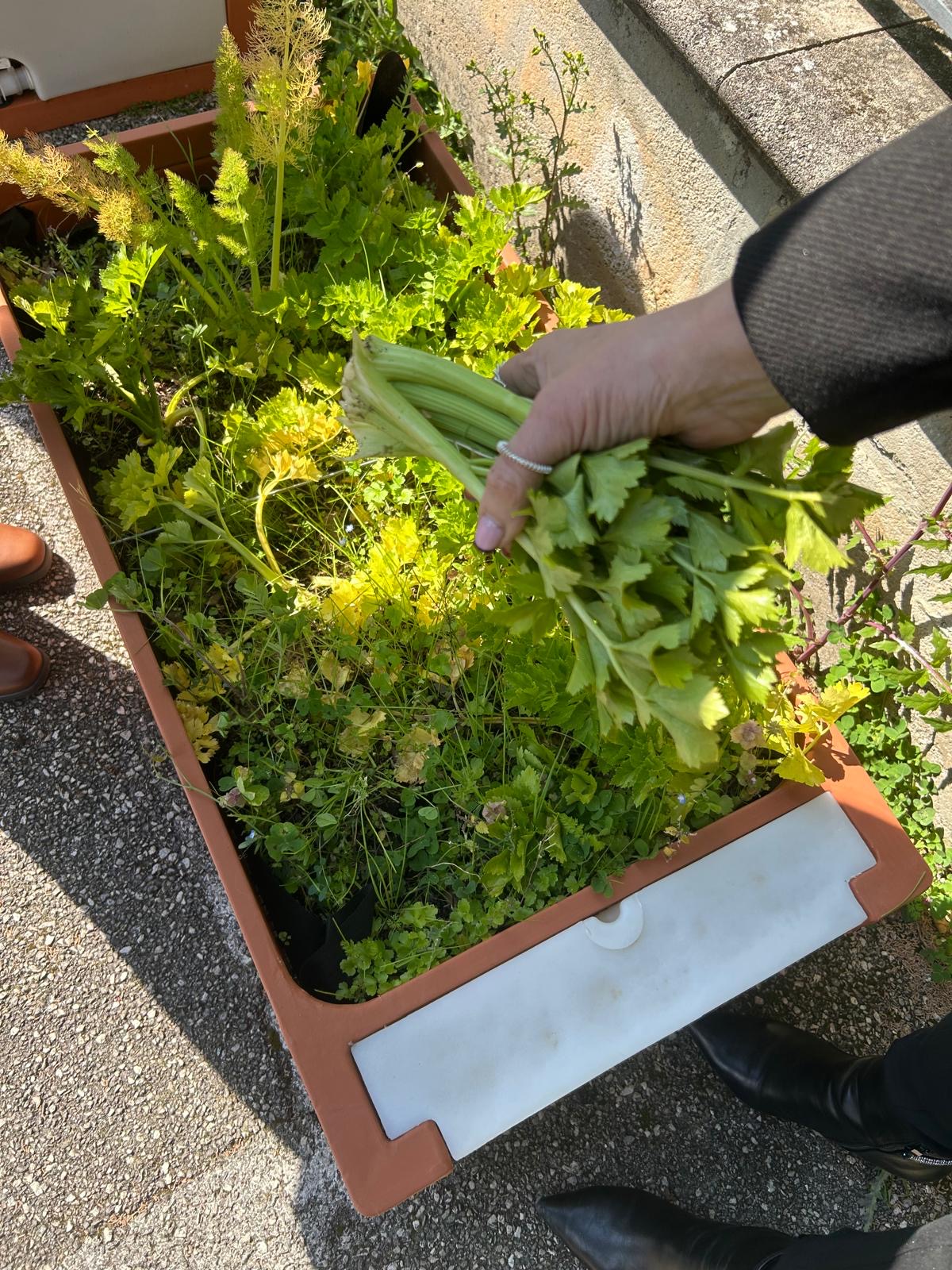
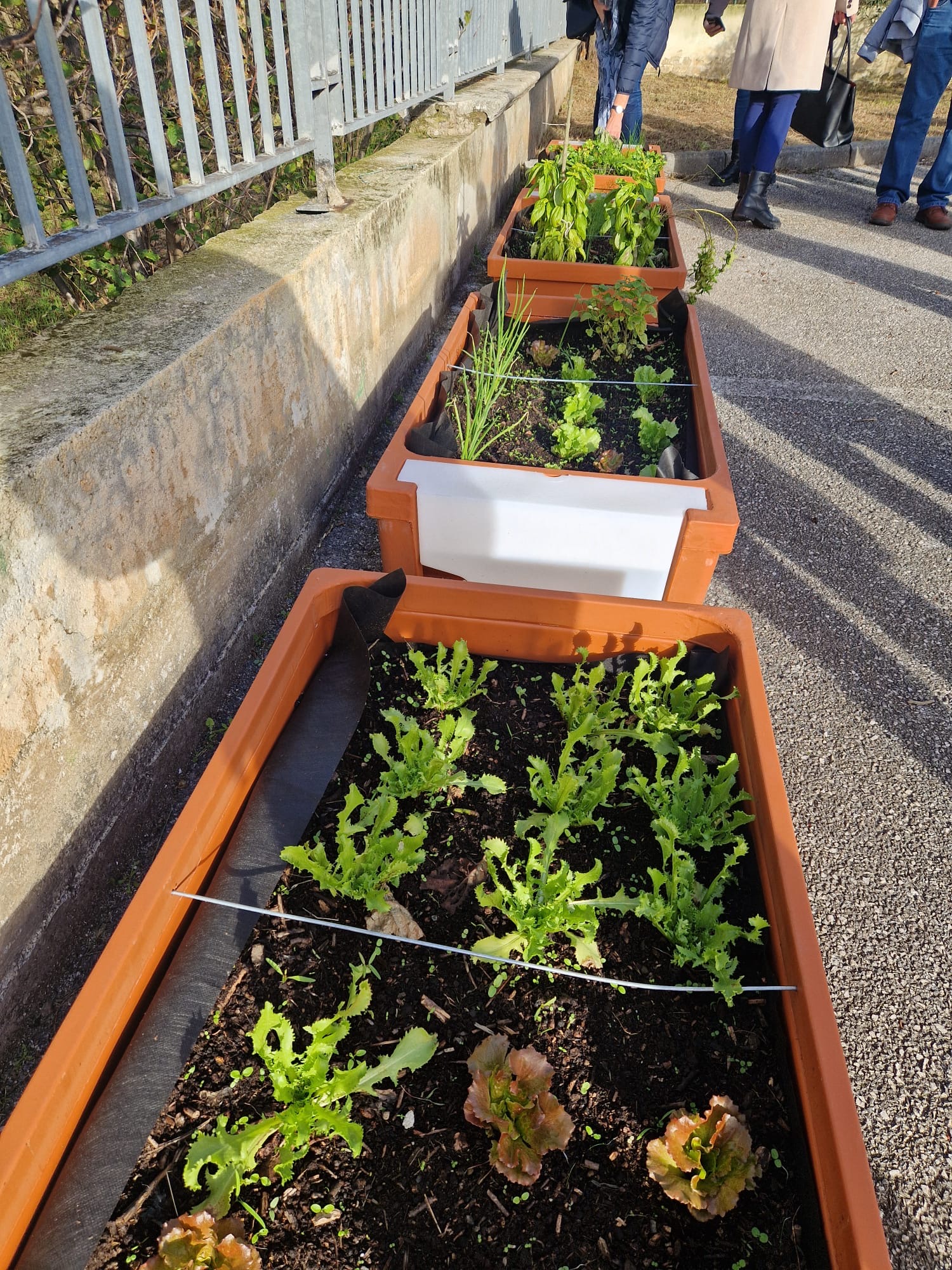
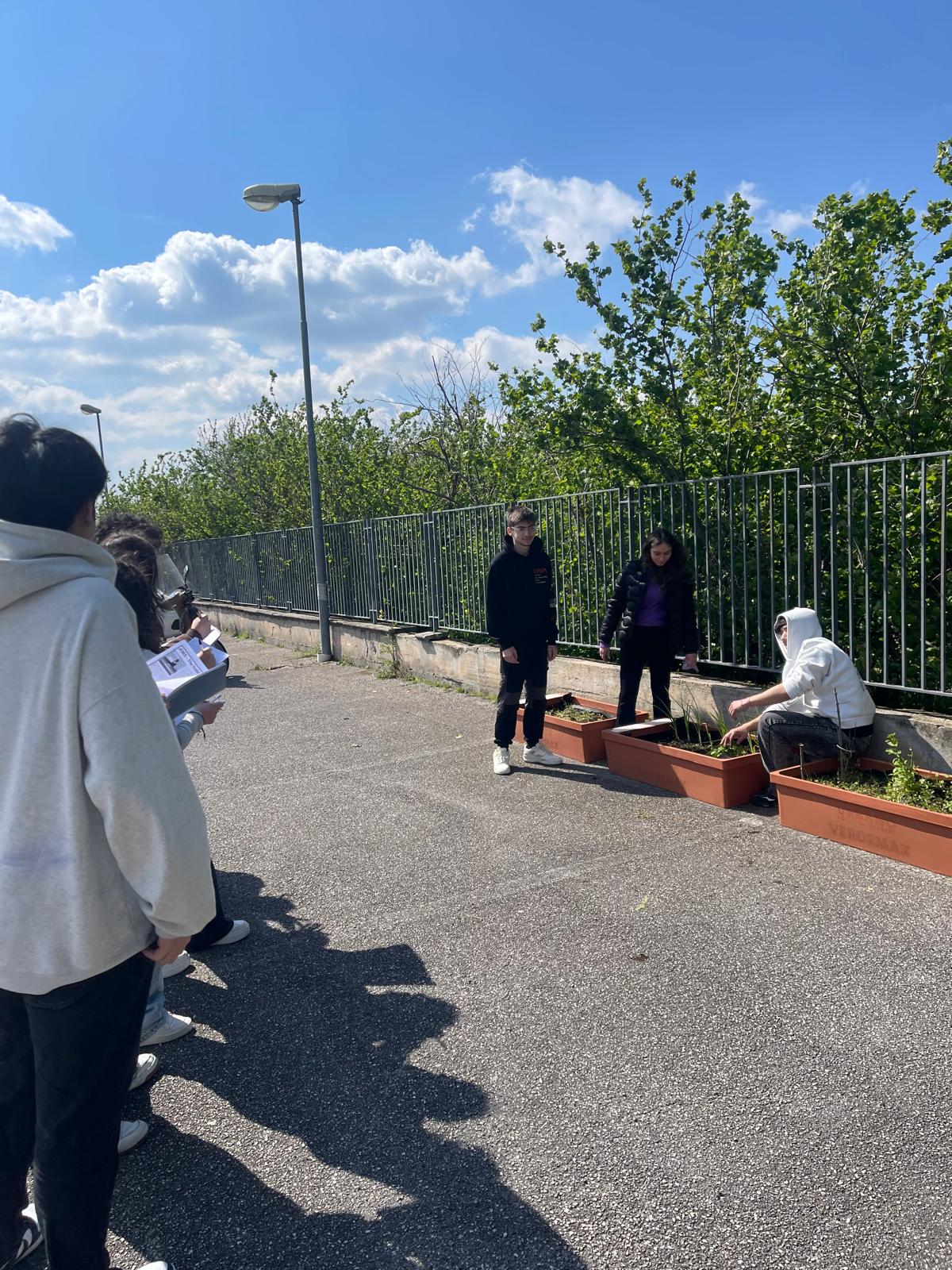
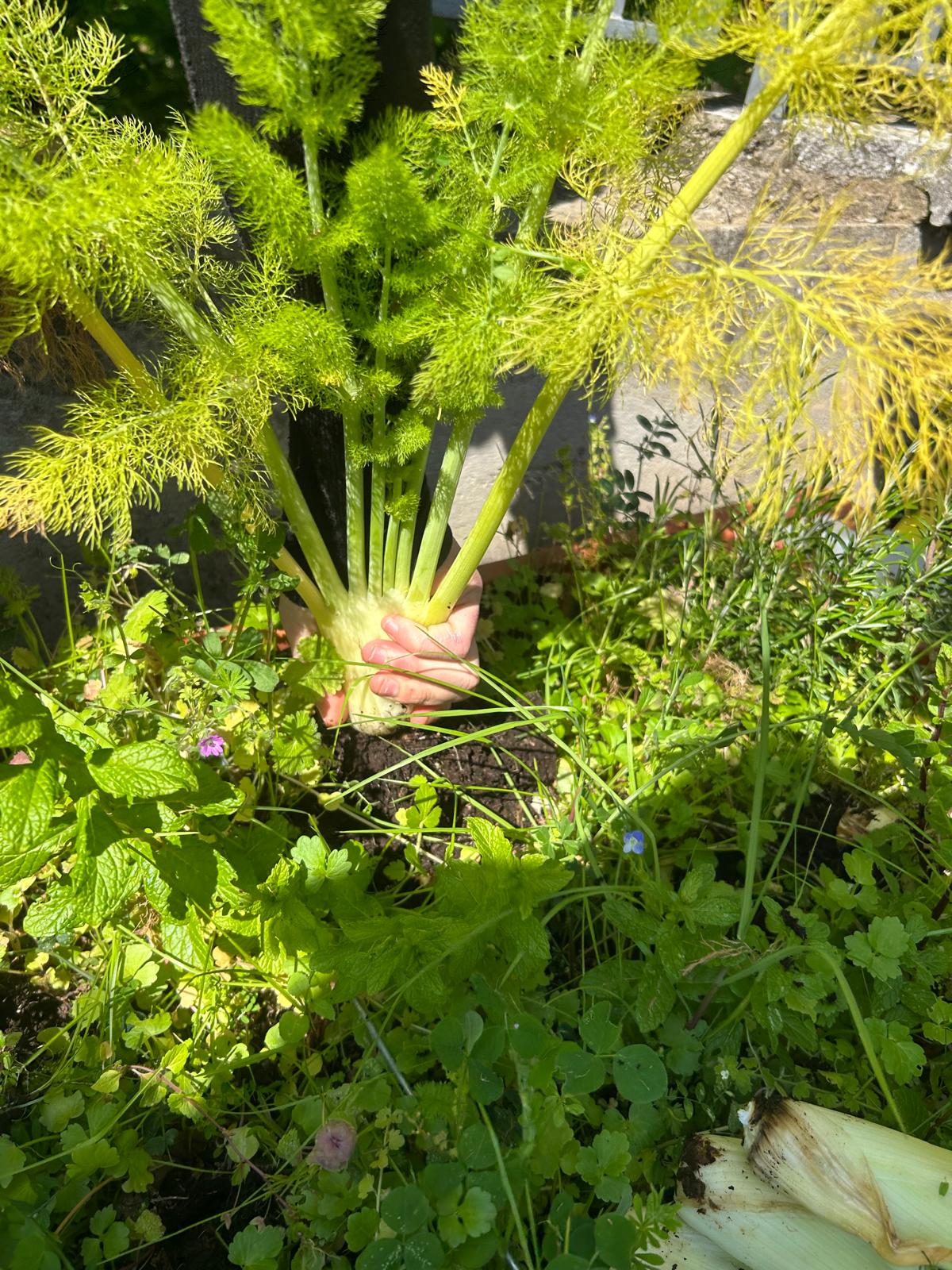
At IPSSEOA Carmine Russo – Ugo Tognazzi (Italy), students explored sustainable food production through gardening, composting and hydroponics. Students explored two complementary cultivation systems: traditional soil-based growing and innovative soil-free farming techniques, including hydroponics. Comparing these approaches allowed them to better understand the benefits and challenges of different production methods and their role in creating sustainable and climate-resilient food systems. By growing their own vegetables, herbs and other crops, they gained hands-on experience with plant growth, soil health, water management and climate-resilient cultivation methods.
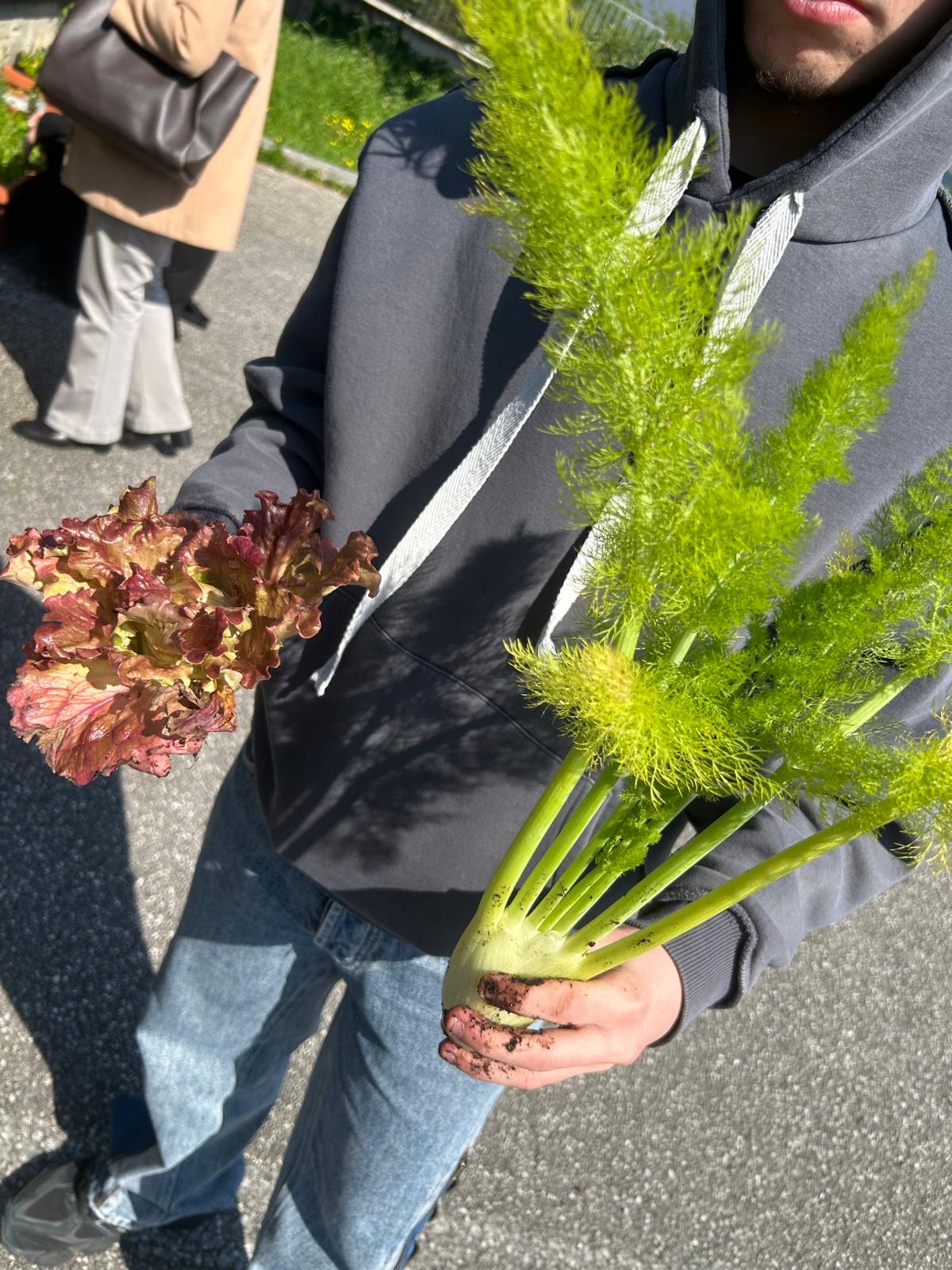
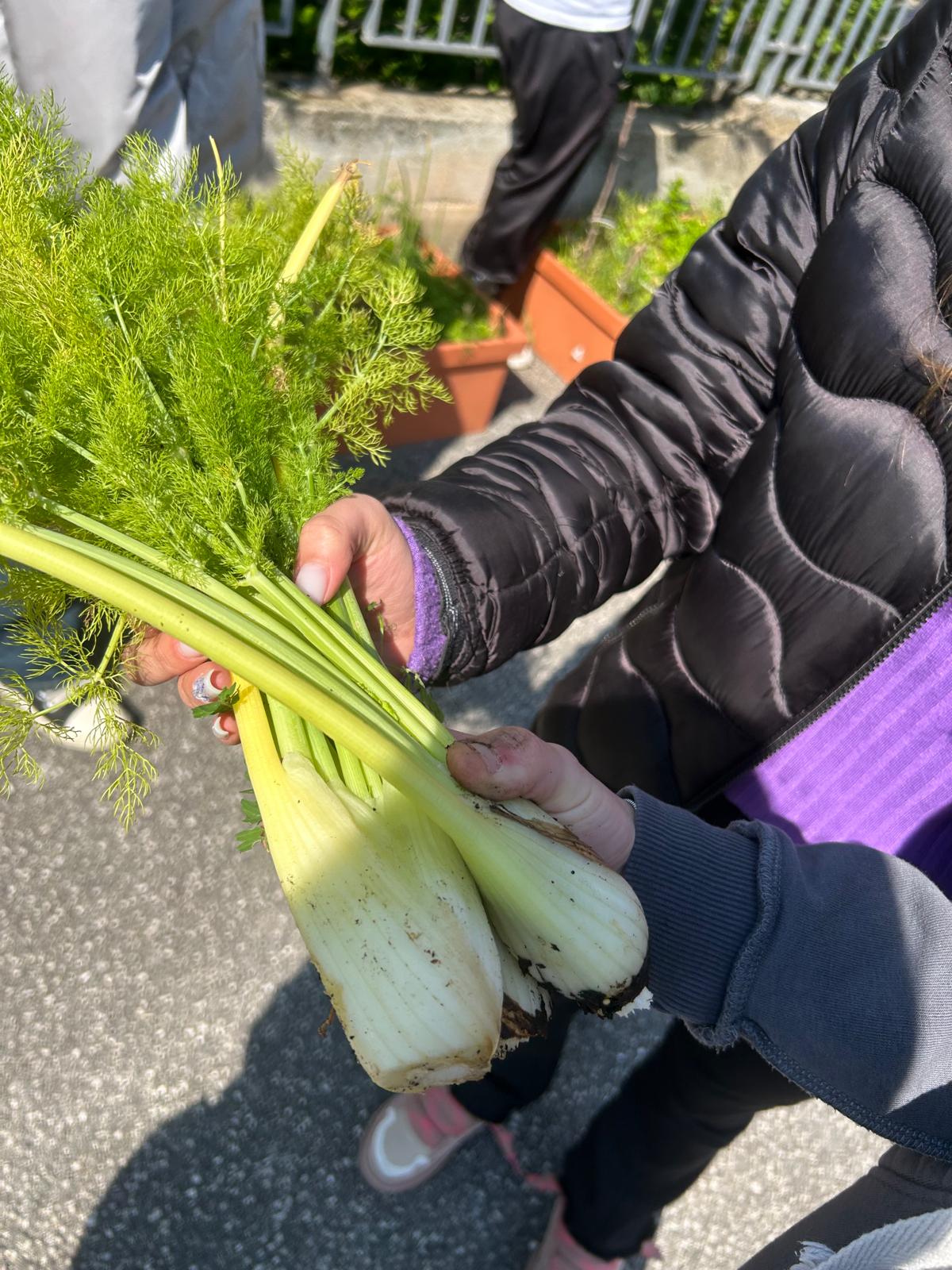
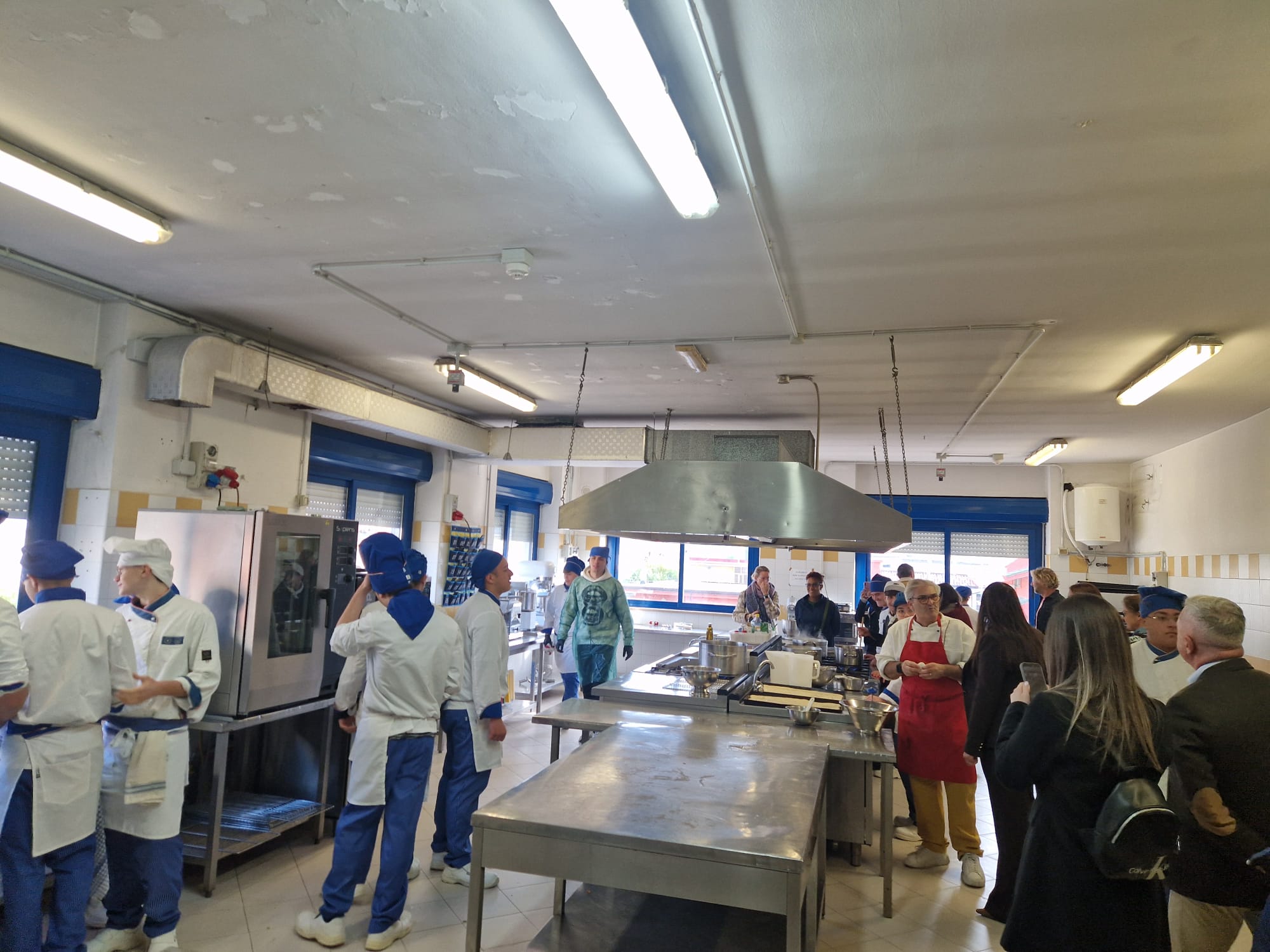
As a culinary school, they created a direct connection between food production and students’ future professions. Fresh vegetables such as fennel and celery, alongside aromatic herbs including basil, were harvested and incorporated into seasonal dishes prepared by the students themselves. This farm-to-table approach encouraged reflection on sustainable sourcing, local food systems and the reduction of food waste, while showing how fresh ingredients can enhance both flavour and quality.
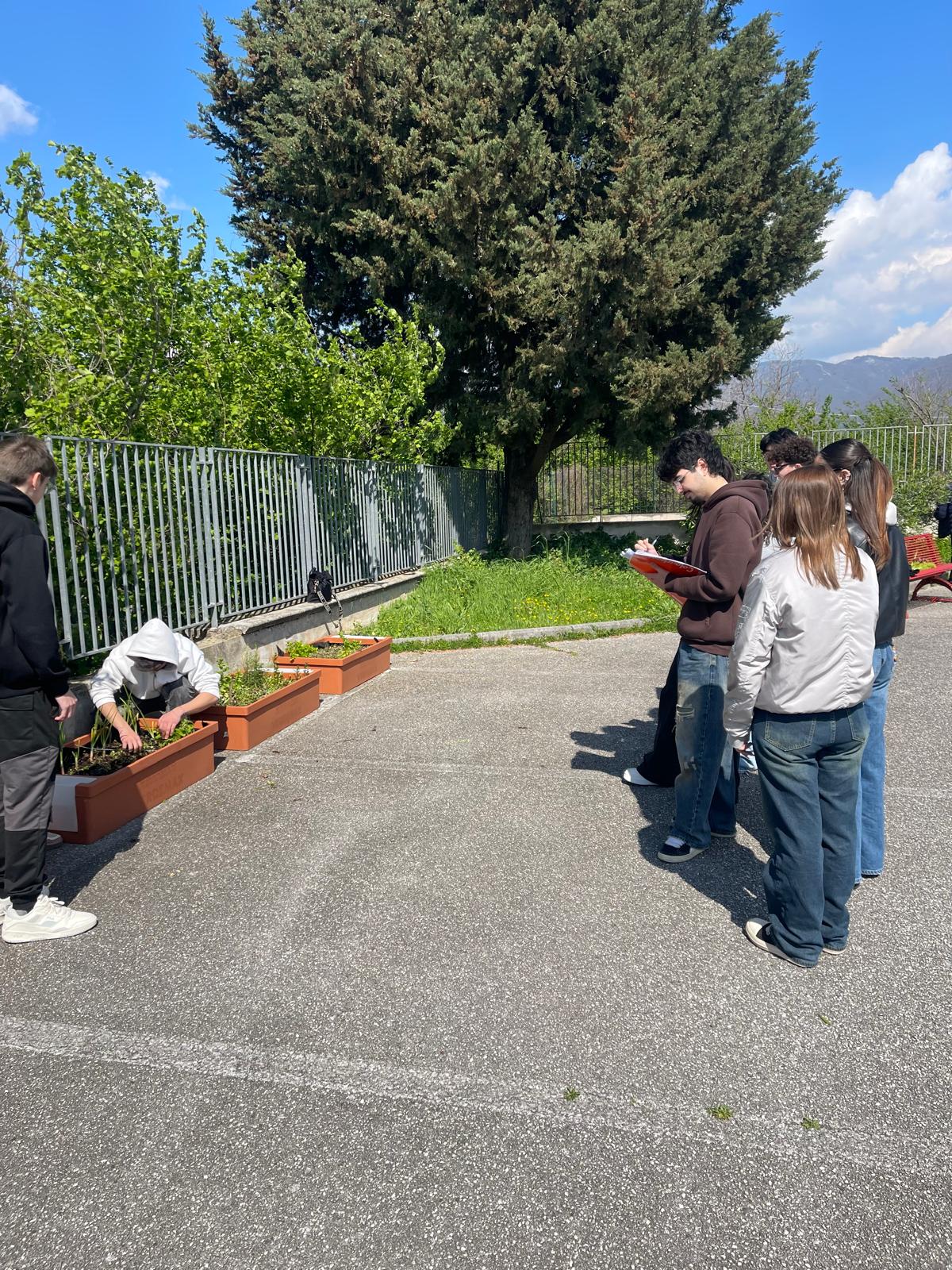
The gardens also fostered a strong sense of shared responsibility across the school communities. Students, teachers and staff worked together to maintain the growing spaces, organise cultivation activities and care for the crops throughout the year. By taking ownership of the gardens, students learned valuable lessons about teamwork, planning and stewardship.
More than productive growing spaces, these gardens became outdoor classrooms where sustainability, vocational education and wellbeing came together. Through growing, cooking and sharing food, students discovered how sustainable food systems can contribute to healthier communities and a more resilient future.
“The vegetables tasted better because we had grown them ourselves.”
Address
-
Via Giordano Bruno I Traversa
80033 Cicciano NA (IT)