How does FullCircle work?
FullCircle combines sustainability education with hands-on learning. The project is built around two complementary dimensions.
First, we focus on what students and teachers learn. Using the framework of the United Nations Sustainable Development Goals (SDGs), participants explore sustainable food systems, environmentally conscious green management, circular use of resources and materials, and the connections between nutrition, health and wellbeing.
Second, we focus on how lasting change can be achieved. Inspired by the Inner Development Goals (IDGs), the project encourages the development of personal and social competences such as self-confidence, creativity, empathy, collaboration and critical thinking. These skills help students and teachers turn knowledge into meaningful action.
Together, these two dimensions support the development of circular thinking and sustainable practices that can continue long after the project has ended.
THE JOURNEY
1. Explore and learn
The project begins with awareness raising and knowledge exchange. Partner schools share experiences, good practices and innovative examples of sustainable initiatives, ranging from food production and green management to circular construction and waste reduction.
Through workshops, discussions and local mapping exercises, students and teachers discover how sustainability challenges and opportunities relate to their own school environment and community.
2. Design together
Once participants have explored different possibilities, they move into a Living Lab phase.
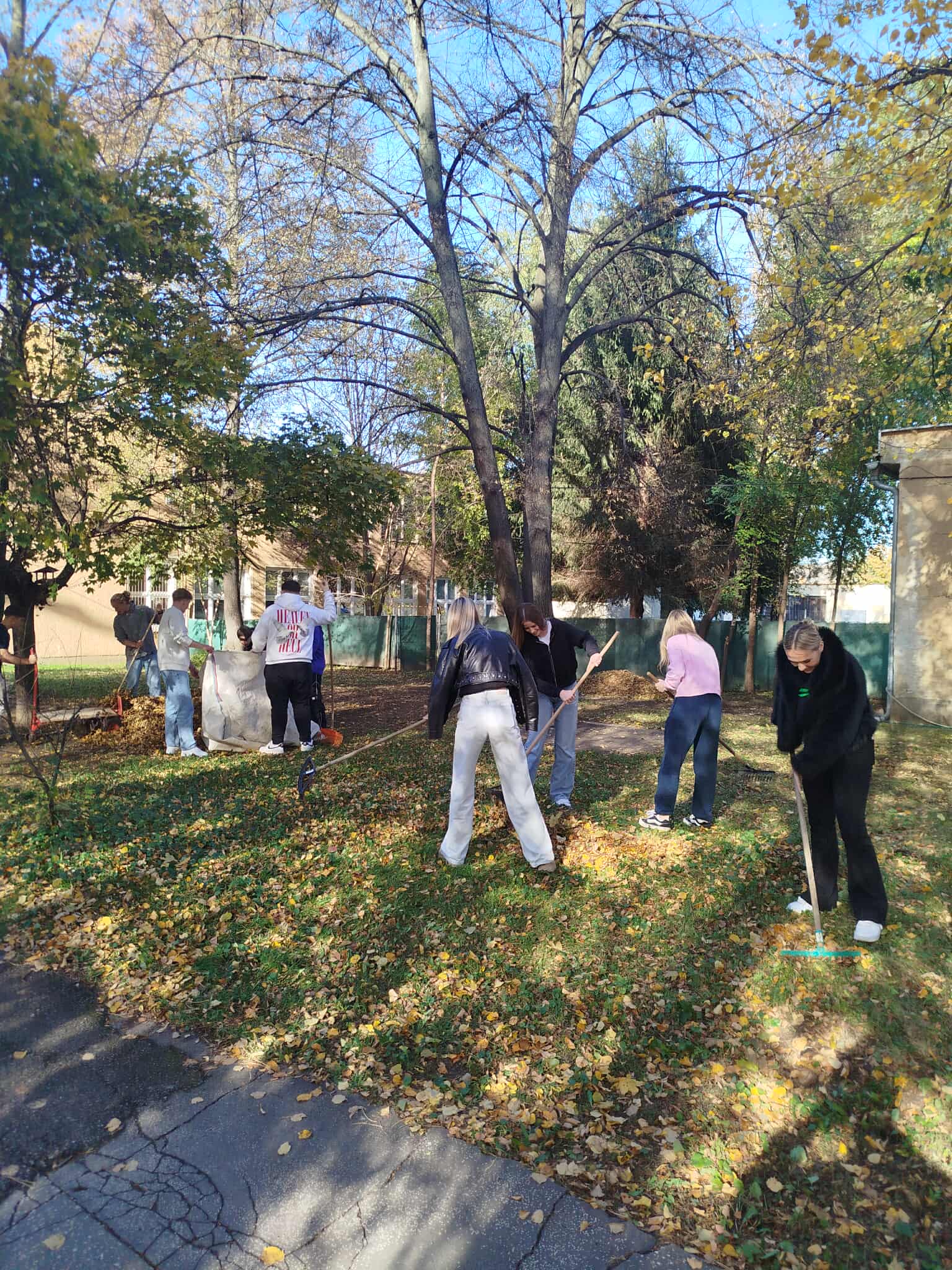
A Living Lab is a collaborative approach in which students, teachers and local stakeholders work together to develop solutions for real-life challenges. Based on local needs, opportunities and ambitions, schools co-create and implement their own sustainability initiatives. These can take many forms, such as upcycling ateliers, greener schoolyards, vegetable gardens, outdoor classrooms, circular projects or community-based activities.
Through these hands-on initiatives, participants discover that sustainability is not an abstract concept, but a lived experience. Learning takes place through experimentation, co-creation and practical design activities, empowering students to contribute to positive change within their school and wider community.
3. Share and exchange
An important part of FullCircle is learning from one another. Schools share their experiences, ideas and results across the international partnership.
Through workshops, online exchanges and mobility activities, students and staff gain insight into how sustainable solutions can be adapted to different environmental, social and climatic contexts across Europe.
4. Create lasting impact
To ensure that the project’s outcomes continue beyond its lifetime, FullCircle collects and shares the knowledge developed throughout the partnership.
The project has produced educational resources and inspiring examples that can support other VET schools in implementing circular and sustainable practices. These materials help translate project experiences into long-term educational impact.